Website design & development

A website that helps people
choose your business.

Probeck designs and develops business websites that help customers understand what you do, find answers and take the next step. From a new WordPress site to a redesign or bespoke booking and payment features, the starting point is what your website needs to do.

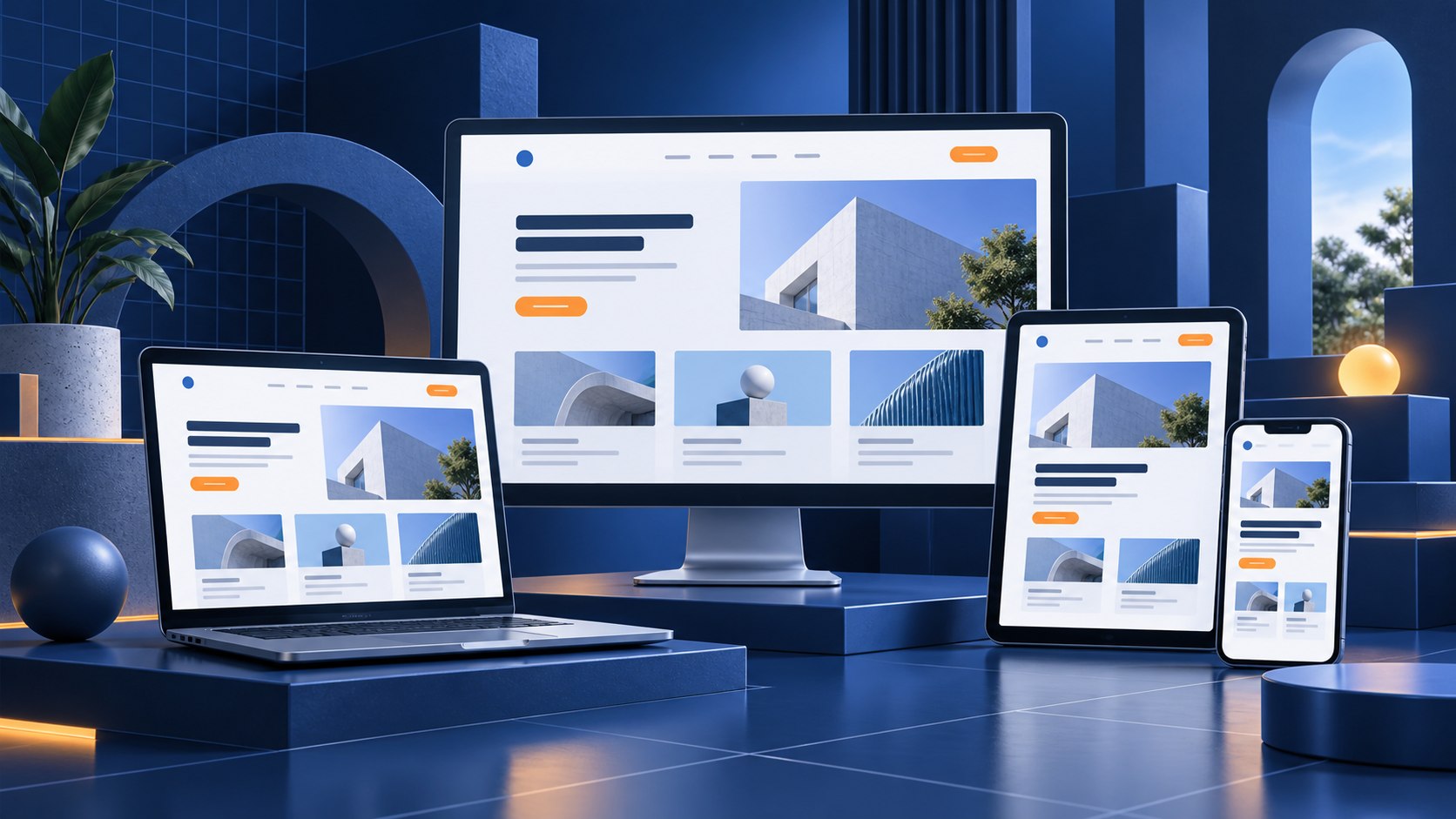
Illustration of one responsive business website across desktop, laptop, tablet and mobile screens

Previous work

Websites designed around visitors and the people managing them.

Cooling Castle Barn combines a visual refresh with flexible WordPress content management, The Hospital Day Nursery pairs a playful custom design with bespoke feedback functionality, and Primcura Healthcare connects recruitment content with direct vacancy publishing.

Recruitment website & SEO

Primcura Healthcare

A familiar recruitment website rebuilt with vacancy management and search-focused job pages.

Outcome: Direct job advertising, less reliance on paid listings and significantly improved organic visibility.

Read the case study
Website redesign & WordPress migration

Cooling Castle Barn

A complete redesign and Squarespace to WordPress migration for an established Kent wedding venue.

Outcome: Flexible content management, reusable templates and fair, randomised visibility for recommended suppliers.

Read the case study

Bespoke website functionality

The Hospital Day Nursery

A colourful, custom-coded nursery website with responsive layouts and a dedicated parent feedback interface.

Outcome: A distinctive early years design and focused functionality tailored to the nursery’s requirements.

Read the case study

Before you start again

Do you actually need a new website?

An outdated appearance is one clue, but it doesn't tell you whether the whole site needs replacing.

Look at what is failing: information that no longer reflects the business, awkward mobile journeys, slow pages, difficult editing or features your current site cannot support.

Improve what's there.

If the foundations work, clearer content, better navigation, performance fixes or a targeted feature may solve the problem.

Start here when a particular journey is failing, rather than assuming everything needs to change.

Redesign around today's business.

Keep useful content and functionality while rethinking the presentation, page structure and customer experience.

This may suit a site that works technically but no longer explains the business or helps people choose.

Rebuild when the foundations limit you.

An unsuitable platform, difficult maintenance or major new requirements may justify a fresh build.

Check what is worth keeping, how content will move and what happens to existing URLs before starting again.

Few enquiries do not automatically mean poor design. Look at who reaches the site, what they need, whether the offer is clear and whether forms or booking steps work. A redesign alone cannot create demand for an unclear offer.

Design around the visitor

Every visit should have a useful next step.

“Is this what I need?”

Clear messaging, useful service information and sensible navigation help people understand the offer. A logical page hierarchy and internal links also help search engines discover and understand the content.

“Can I trust this business?”

Specific answers, genuine case studies and real photography give visitors something to judge. Mobile usability, accessible controls and pages that load promptly let more people reach that information.

“What do I do now?”

A clear enquiry, booking or buying route makes the next action easier. Straightforward editing helps you keep prices, services and answers current after launch.

Good web design brings these parts together. A visual refresh is useful when it improves the way people understand and use the site.

How Probeck can help

From a clearer site to a more useful service.

The work can be a complete website or a focused improvement. Agree what success looks like before deciding the scope.

New websites & redesigns
Business information, service pages and enquiry journeys built around what customers need to know.
WordPress development
Content-led websites with a practical editing workflow and carefully chosen themes, plugins or custom development.
Booking & payment features
Connect availability, reservations, deposits or payments to the customer journey, subject to provider capabilities.
Integrations & customer areas
Bespoke functionality, membership access and connections to existing systems through APIs or supported data exchanges.
E-commerce where appropriate
Explore the catalogue, checkout, order management and fulfilment requirements before choosing a platform.
Ongoing development
Improve content, journeys and features as your business changes, with hosting and support planned alongside the build.
Need a portal or a business system? Explore App Development

Choose the approach around the work

A bespoke website or WordPress?

Neither is automatically better. The useful question is how well the approach fits your content, functionality, editing needs and ongoing budget.

Specific requirements

Bespoke: more control over specific requirements.

Custom development may suit complex workflows, business rules, deeper integrations or customer areas that behave more like an application.

It brings responsibility for documenting and maintaining the custom code. Editing tools and handover arrangements need to be designed and agreed, rather than assumed.

Useful when: standard tools would constrain an important part of the experience or create too many compromises.

Content platform

WordPress: a practical content platform.

WordPress can suit a business website where publishing and updating pages is central. Established functionality and familiar editing tools can reduce the amount that needs building from scratch.

Check that the selected plugins fit the requirements and can be maintained. Licence renewals, updates, compatibility checks and editor training still need a place in the plan.

Useful when: content is the main focus and established features do the job without too many workarounds.

The approaches can overlap: a WordPress website can include bespoke functionality or connect to a separate web app. A smaller extension may be enough.

Bespoke vs WordPress websites

Start at the scale your business needs.

Probeck can shape the project around anything from a focused single-page website to a multi-layered site with bespoke functionality. If speed or budget is the priority, the first release can concentrate on the essential pages and provide room to grow. The website gives your offer a strong foundation; useful content, promotion and ongoing improvement help it continue working for the business.

Your website project

From discovery to ongoing support.

The Probeck website journey keeps the customer involved as the business, design and working website come together.

  1. 01

    Discovery

    Start with a conversation about the business, customers, objectives, current website, problems, required functionality, ideas and preferences.

  2. 02

    Design

    Work together on a visual direction that reflects the brand, audience, ideas and goals. The design develops collaboratively with customer input.

  3. 03

    Build

    Turn the agreed design into the working website, including the required functionality and integrations.

  4. 04

    Review & Sign-off

    Review and test the website, incorporate customer feedback and obtain final approval before launch.

  5. 05

    Launch

    Put the signed-off website live and complete the agreed launch checks.

  6. 06

    Support & Maintenance

    Continue with hosting, maintenance, support and future improvements where required.

How long does a website project take?

The number and type of pages, custom features, integrations, migration and testing all affect the work. Content readiness, access and feedback affect when it can happen. Agree a realistic schedule and protect time for review; if the deadline is fixed, prioritise what must be ready at launch.

Make the budget understandable

What does a business website cost?

Compare the work included, not just the page count. Two sites of the same size can need very different content, design and functionality.

Projects from

£1,500

The final price depends on the agreed pages, design, content, functionality, integrations and migration work.

The pages and design

Page types, custom layouts, the amount of existing content and the editing experience affect the build. Reusing a sound structure can mean less work than starting again.

A redesign may cost less than a rebuild, but extensive changes or a difficult existing setup can reverse that assumption.

The content and features

Copywriting, photography, product information and migration take time. Booking rules, payment flows, e-commerce and integrations add work beyond the visible pages.

Agree optional extras separately, so you can distinguish launch essentials from later improvements.

The cost of running it

Allow for hosting, domain renewals, maintenance and support. Plugin licences, third-party services and payment processing may bring separate charges.

Confirm what renews, what depends on usage and what budget is available for ongoing development.

SEO from the start

Make the site easier to find and understand.

SEO belongs in the structure, content and build from the start.

Clear structure

Useful pages, hierarchy and internal links explain what belongs where.

Descriptive content

Readable copy, page titles and metadata make each page's purpose clear.

Sound delivery

Performance, mobile usability, accessibility, crawlability and redirects support the experience.

Ongoing work

Measurement, useful updates and customer research continue after launch.

These foundations can support visibility, but they cannot guarantee rankings or enquiries.

Give people useful answers

Good development cannot rescue vague content.

Visitors need to understand what you offer, whether it suits them and what happens next.

  • Answer buying questions: explain pricing factors, suitability, process and trade-offs.
  • Show real evidence: use approved case studies, photography or demonstrations.
  • Plan ownership: agree who creates, checks and maintains the content.

Start with the questions customers ask before buying, then design the page so those answers are easy to find.

Laptop displaying code beside a plant in a bright workspace

Plan beyond launch day

Hosting and care are part of the website.

Explore managed hosting Explore maintenance & support

A live website needs clear responsibility for availability, maintenance and improvement.

Run

Hosting, monitoring, domains, backups and recovery.

Maintain

Security, software updates and compatibility checks.

Support

Response routes, service hours and urgent issues.

Improve

Content changes and new features agreed separately.

Real website work

What changed for Primcura Healthcare?

A request to add vacancies became an opportunity to give the recruitment company control of its jobs and build organic search visibility.

Before you choose a website developer

Straight answers to common questions.

Understand the costs, timescales, platforms and practical responsibilities to agree before your website project begins.

How much does a website cost?

Website design and development starts from £1,500. The final price depends on page types, design, content, features, integrations and migration. Hosting and maintenance may be separate.

How long does a website take to build?

Scope, custom features, content readiness, access, feedback and testing determine the schedule. Agree what must be ready at launch and who supplies it.

Do I need WordPress?

No. WordPress can be a good fit for content-led sites and established functionality, but a hosted platform or more bespoke approach may fit better. Choose around editing needs, features, costs and ongoing maintenance rather than the platform name alone.

Can you redesign my existing website?

A redesign or targeted improvement may be possible. First review the platform, access, content, functionality and technical condition. That determines what can sensibly stay and whether rebuilding would avoid expensive workarounds.

Will I be able to update it myself?

Self-editing can be part of the agreed scope. Identify the pages, images and records you need to change, then confirm the editing tools, permissions and guidance included. Do not assume that every bespoke feature will be editable without development.

Do you provide hosting?

Hosting and support are part of Probeck’s supporting services. The appropriate arrangement depends on the platform and features. Confirm the price, backups, monitoring, updates and support responsibilities before launch; specific package details are still to be supplied.

Will the website be SEO-friendly?

SEO foundations should inform the structure, content and build, including descriptive metadata, internal links, crawlability, performance and mobile usability. They do not guarantee rankings or enquiries. Ongoing content and review still matter after launch.

Can you migrate content from my old site?

Migration can be included once the content, platform and available access are understood. Review what is worth keeping, check images and permissions, map old URLs to new pages and allow time to verify the migrated content and redirects.

Who owns the website when it's finished?

Agree ownership, licences, account control and access to code, content and hosting in writing before work starts. Third-party themes, plugins and services can have separate terms.

Can you integrate booking or payment systems?

Yes, where the chosen services support the access and functionality required. Check provider fees, booking rules, refunds, notifications and how records reach your existing systems. A simple payment link and a fully connected booking workflow involve different amounts of work.

The Knowledge Centre

Make your next decision an informed one.

Use these published guides to compare scope, platforms, suppliers and ongoing responsibilities.